THE ARK INITIATIVE · BORREGO SPRINGS, CALIFORNIA
The Desert Field Trial
Which garden bed holds water longest in Borrego desert soil? We are answering that with a replicated, instrumented trial built from community materials, and publishing every number.
The problem: a basin drawn down
Groundwater is the only water supply in the Borrego Valley. The California Department of Water Resources designates the Borrego Springs Subbasin as critically overdrafted. A stipulated judgment entered April 8, 2021 caps pumping and ramps it down to sustainable yield by 2040; the Watermaster set that yield at 7,952 acre-feet per year in December 2024. Total pumping fell from about 14,338 acre-feet (water year 2021) to about 10,129 acre-feet (water year 2025). Every household that grows food or shade in this valley draws on the same shrinking account.
Sources: Borrego Springs Watermaster, Five-Year Assessment (June 2026); WY2020 Annual Report; Groundwater Management Plan; DWR SGMA basin prioritization. Full brief: Borrego Springs Groundwater.
Already in place at Ark Unit 1
Ark Unit 1 is an occupied homestead of about 0.79 acre in Borrego Springs, and the first demonstration site of The Ark Initiative. The trial does not start from a sketch. It extends systems that already run here, day after day, through desert summers.
Orchard and soil restoration
An existing orchard under active restoration: irrigation adjustments, mulching, organic soil amendments and tree recovery.
Solar and battery storage
Solar generation and battery storage, grid-connected for energy resilience.
Evaporative cooling
Evaporative cooling for the household and for the poultry.
Animals in the system
Rescued chickens, dogs and cats, with shaded animal areas and a developing animal-support system. See Animal Welfare and Ethical Research, below.
Community in-kind
Already active: a local hardware store donates its free pallets and building materials, a local soil hauler delivers soil for site projects, another business has pledged building materials, and a mulch business has offered free mulch.
Field records
Documented observations of temperature, energy, water and animal welfare.
These are working systems and field observations, not trial results. They were not gathered under a replicated design, so we describe them here and publish no figures from them until their methods and dates are documented.
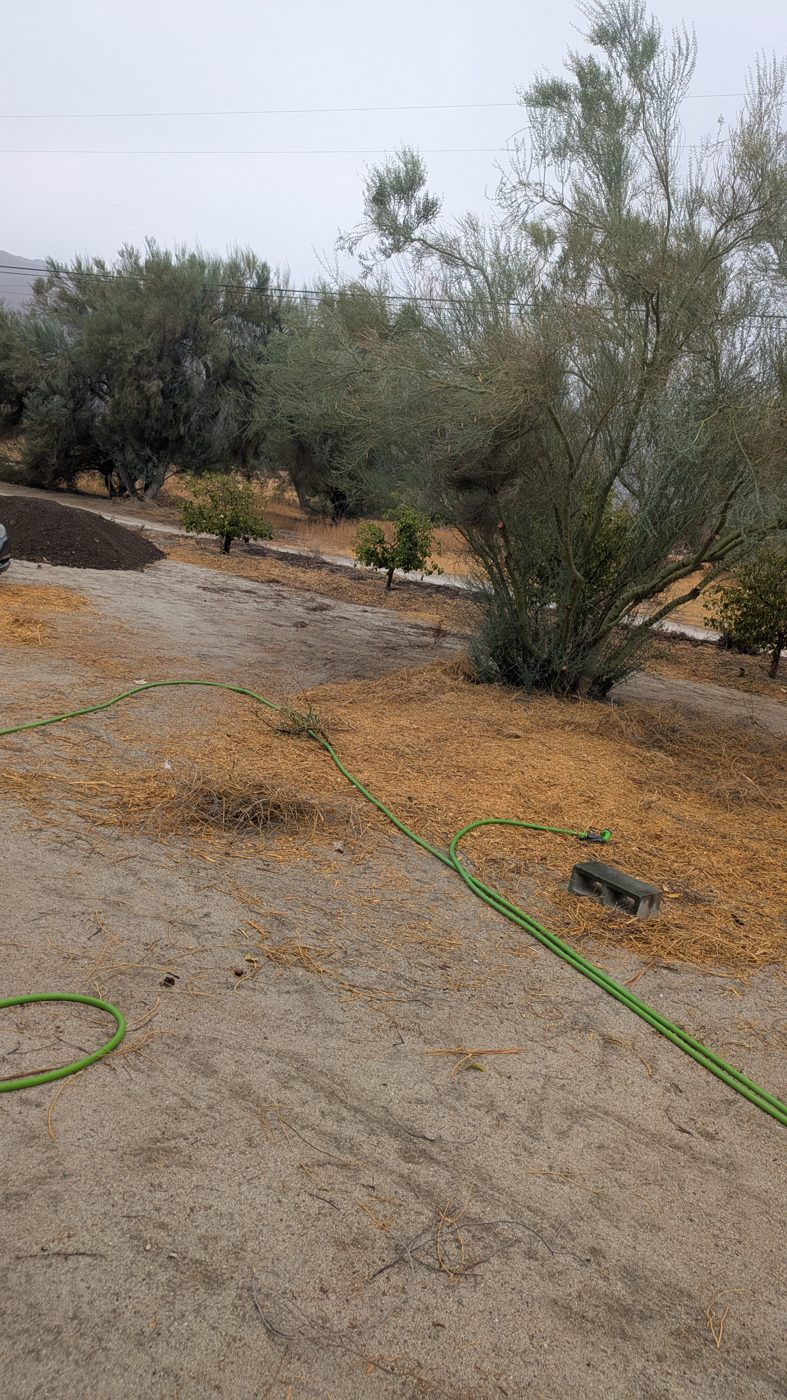
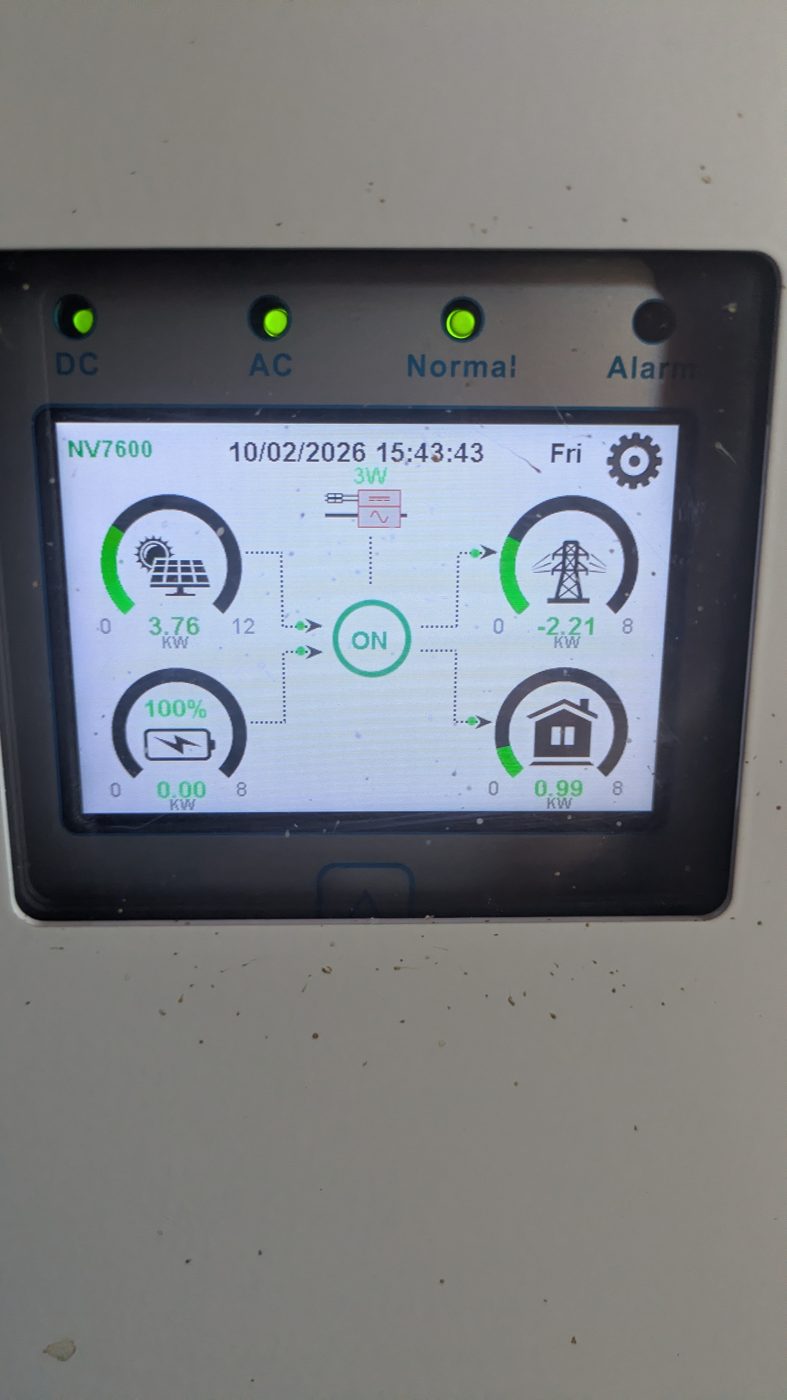
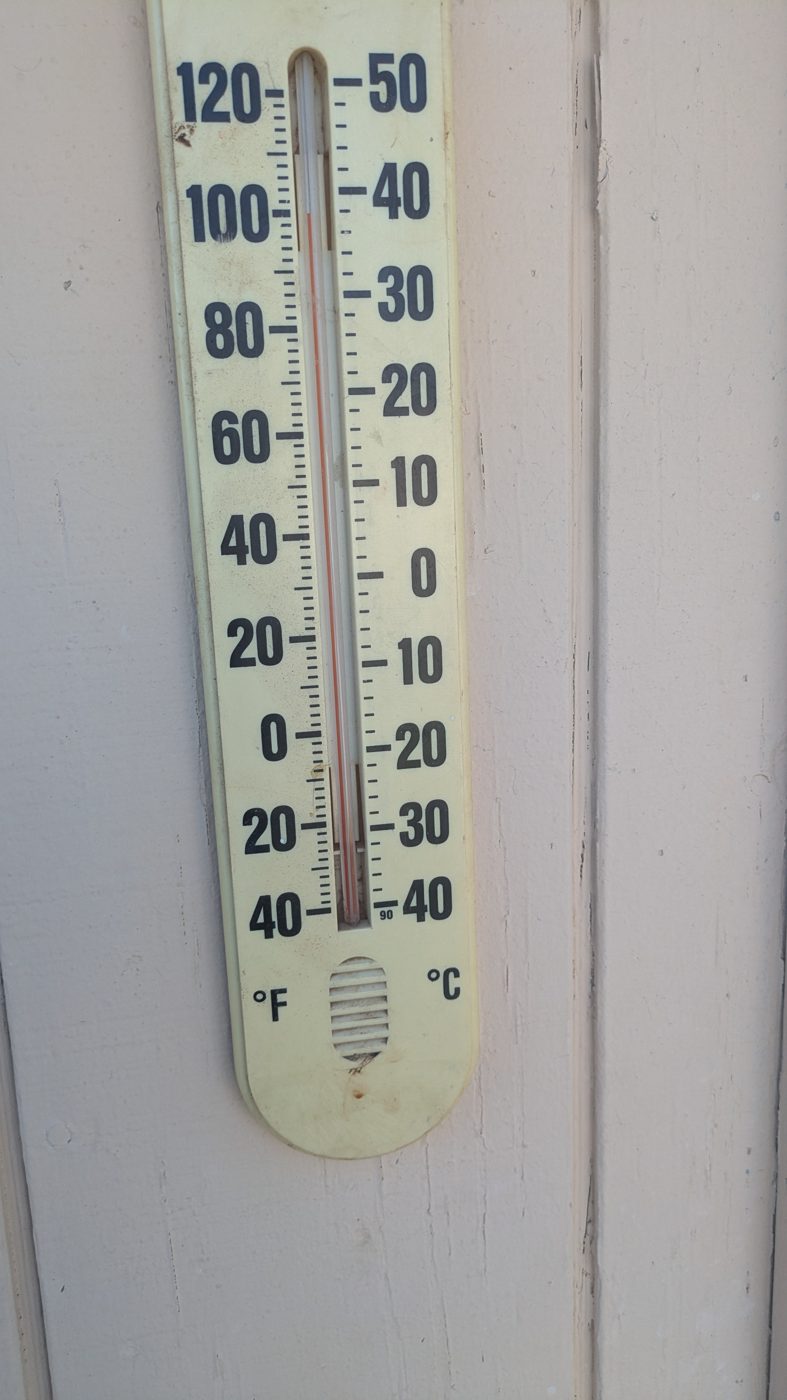
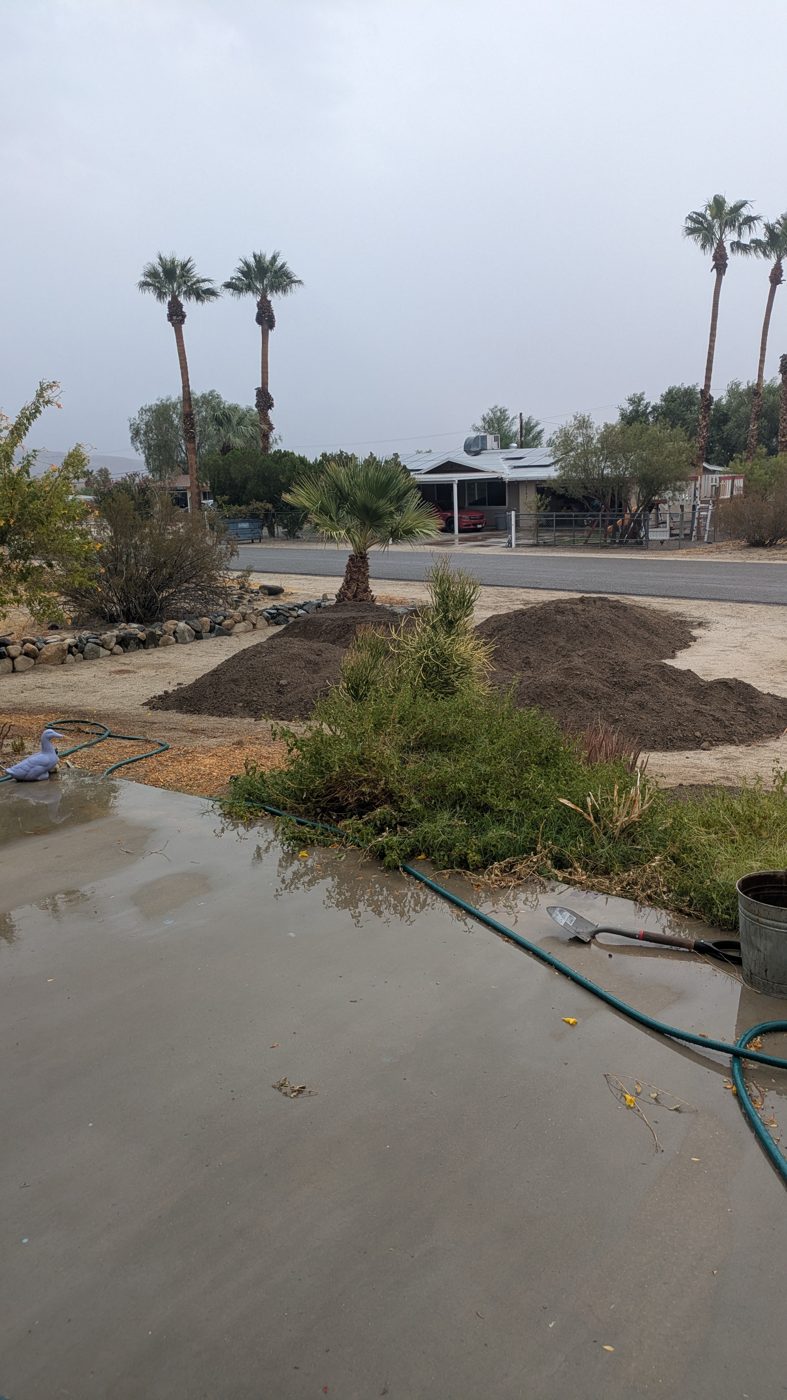
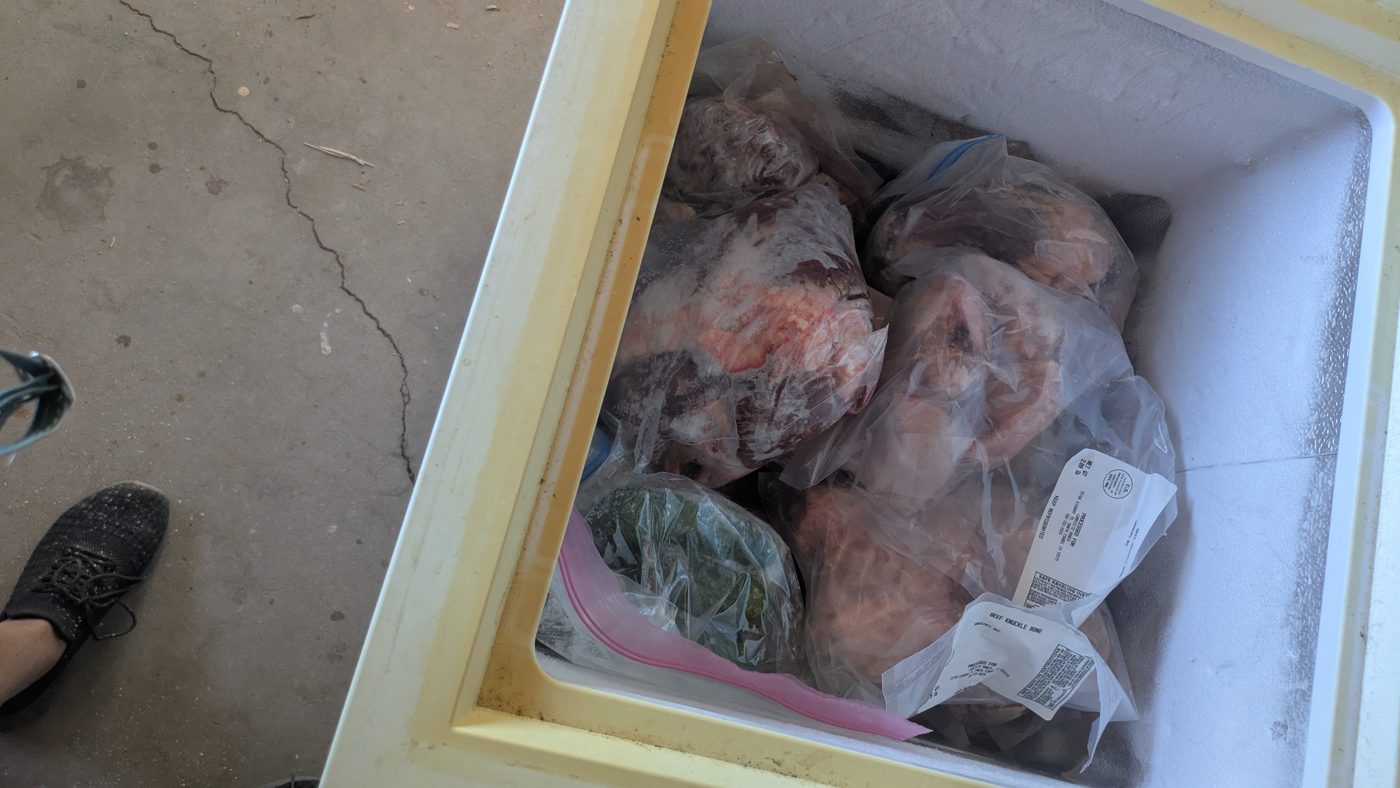
Next lines of field research: windbreaks, microclimates and soil moisture; water capture, passive cooling and irrigation efficiency; orchard survival, habitat recovery and biodiversity; and solar-supported resilience and animal cooling.
Animal Welfare and Ethical Research
All resident animals at ARK Unit 1 are rescues. The two poodles came from puppy-mill conditions; other residents, including the chickens and kitten, faced euthanasia before rescue.
These animals are permanent members of the ARK household, not disposable research subjects.
Our environmental research follows a non-harm principle:
- No animal is deliberately subjected to heat stress, dehydration, fear, or other harmful conditions for experimental purposes.
- Animals have access to appropriate shelter, cooling, clean water, nutrition, and freedom to retreat from uncomfortable environments.
- We measure environmental conditions and observe normal behavior without manufacturing distress.
- Cooling and habitat improvements are evaluated primarily for welfare, comfort, and practical resilience.
- Dangerous conditions trigger protective intervention, not continued observation.
Our broader ethical framework extends dignity and non-domination to humans, animals, and our approach to AI collaboration.
The animals do not exist to serve the experiment. The experiment exists to improve the conditions in which they live.
This principle governs the ARK's research, educational demonstrations, and public reporting.
The trial
Hugelkultur beds
Buried woody material beneath soil, designed to act as a slow-release sponge.
Deep-mulched beds
A thick organic mulch layer over native soil to cut evaporation at the surface.
Flat beds (control)
Conventional flat planting, the baseline every other treatment is judged against.
Each treatment is replicated side by side under the same sun, wind and soil. Soil moisture sensors record retention in every bed. Metered drip irrigation logs exactly how much water each treatment demands. Windbreaks built from pallets donated by a local hardware store shelter the plots, so the trial is built from community materials as well as for the community.
What we measure
- Soil moisture over time in each bed type, logged by sensor.
- Irrigation demand: metered gallons delivered per bed and per treatment.
- Plant establishment and survival across treatments.
- Microclimate effect of the pallet windbreaks.
- Build cost and labor per bed, so any resident can judge what is worth copying.
Open data
Every dataset is published openly, with methods, so residents, growers and researchers can check the work and reuse it. No results are posted here yet; the first data will appear once the instrumented beds are running.
Back to the community
Field days
Open visits to the plots: how each bed is built, what the sensors show, and what it costs.
Community yard award
Inspired by a local elder's memory of the valley's old best-yard contest, honoring water-wise yards that feed and shade a household.
Public research library
Findings filed alongside our field reports and research library, free to all.
Where we stand
- Ark Unit 1 established. Orchard restoration, solar and battery storage, evaporative cooling and animal care running and documented on about 0.79 acre.
- Trial design ready. Treatments, replication and measurements defined.
- Beds being built with donated materials at our Borrego Springs site.
- Building local cooperation. In-kind support from local businesses is already active: donated pallets, building materials, soil and mulch. Conversations with local growers, a nursery, a rancher, cooling professionals and neighbors are at earlier stages, not yet formal partnerships.
- Seeking funding for the one-time build: fencing, soil moisture sensors, drip irrigation, tools and materials.
Read the groundwork
Who we are
Aiding Rejuvenation 4 Kommunities Inc (The Ark Initiative), a 501(c)(3) public charity, EIN 93-3788744.
Dawn Littlefield, Founder
3160 Flying H Road PMB 152, Borrego Springs, CA 92004-4224
ark4humanity@gmail.com